
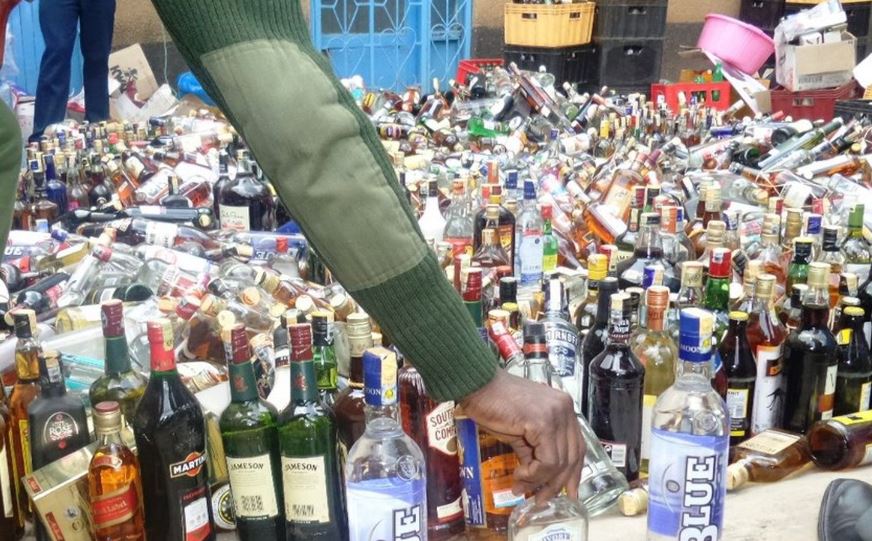
 The United Kingdom has added Kenya to its list of countries where British tourists need to exercise caution while consuming alcoholic drinks due to methanol poisoning from counterfeit or
The UK Foreign, Commonwealth & Development Office (FCDO) stated that Kenya is among eight new countries where there have been reports of methanol poisoning among tourists. The others include Nigeria, Uganda, Japan, Mexico, Peru, Ecuador and Russia.
The updated guidance expands on existing travel warnings for destinations such as Thailand, Laos and Vietnam, where British tourists have already fallen victim to contaminated alcohol.
Methanol, a commercial alcohol found in items like antifreeze and paint thinners, is from time to time mixed illegally into spirit drinks as a cost-saving measure.
Unlike ethanol, the main ingredient in alcoholic beverages, which producers produce through fermentation, producers treat methanol with synthetic processes and the chemical is highly poisonous and not intended for consumption.
The chemical is tasteless and odorless, effectively making it almost undetectable.
Doses as little as 30ml can cause blindness or death within 12 to 48 hours of consumption, says Doctors Without Borders.
The early signs of methanol poisoning typically include nausea, vomiting, dizziness, and confusion. If untreated, the condition can worsen within two days and lead to severe symptoms such as blurred vision, blindness, and difficulty in breathing.
Hamish Falconer, the UK Minister for Consular and Crisis, requested British holidaymakers visiting Kenya and other affected regions to be vigilant, purchase only sealed beverages from licensed outlets, and avoid consuming homemade or pre-mixed cocktails.
In its response, the Kenya Bureau of Standards (KEBS) clarified that all methanol imported or produced in the country is denatured with denatonium benzoate, a substance so bitter that it cannot be mistaken for alcohol.
“All methanol in the country is denatured by adding the bitterest chemical called denatonium benzoate. This means that methanol found in Kenya can never be mistaken for alcohol, as this component makes its taste extremely bitter for human ingestion,” the state agency said in a Wednesday statement.
A report released in May indicated that illegal alcohol represented 60 percent of all alcoholic beverage sales in Kenya in 2024. The report linked this trend to over-taxation of genuine alcoholic beverages and the affordability of illegal brews, which continue to draw consumers to dangerous products.
Illegal alcohol is being sold everywhere because of affordability, convenience, and lax enforcement by county authorities, according to Euromonitor, a London-based market research firm.
The post UK Issues Methanol Poisoning Alert for Kenya as Fake Alcohol Cases Rise appeared first on Bossnana.


