
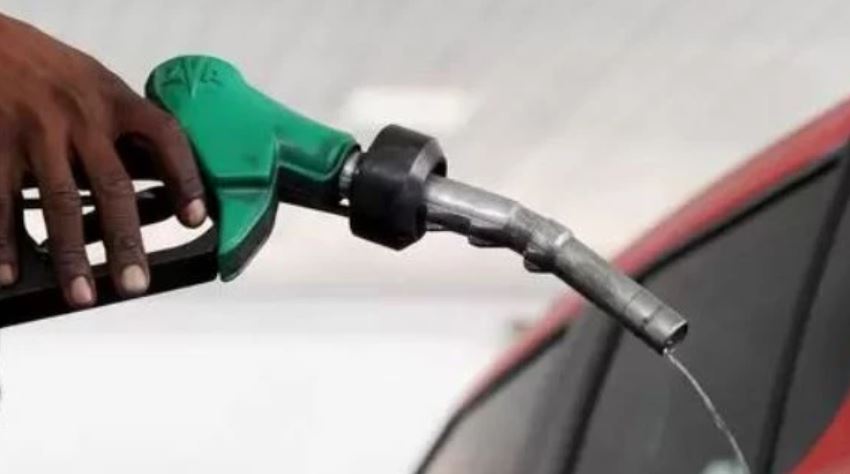
 The High Court has dismissed a petition seeking to force the government to refund motorists for the road maintenance levy on fuel, ruling that the State followed constitutional procedures for public participation before implementing the increase in July 2024.
The court found the process reasonable and rejected the public interest litigation, which aimed to halt the levy hike and mandate refunds. The move that would have created a multibillion-shilling shortfall in the national roads maintenance budget.
The case was filed by Haki Yetu Organisation against the Cabinet Secretary for Roads and Transport, the Kenya Roads Board, the Energy and Petroleum Regulatory Authority, and the Attorney-General. The petitioner had asked the court to invalidate the Road Maintenance Levy Fund (Imposition of Levy) Order, 2024, suspend its enforcement, and require a Sh7 per litre reduction in fuel prices for the period the levy was applied.
The contested order, published as Legal Notice No.109 on July 10, 2024, raised the levy from Sh18 to Sh25 per litre of petrol and diesel.
The petitioner argued that the government implemented the hike without “adequate, effective, meaningful, proper, and tangible public participation,” describing the consultation process as “a mirage, cosmetic, and a mere formality.” It also claimed the notice period was too short, consultation venues were limited, and a late-night social media post showing a public notice marked “cancelled” caused confusion and deterred participation.
Additionally, Haki Yetu alleged that the authorities did not properly inform Kenyans about the rate, rationale, and impact of the increase, citing limited internet access and arguing that dissenting views were ignored. The petition referenced a July 8 statement by the Cabinet Secretary acknowledging cost-of-living concerns, noting that the government approved the levy hike just two days later.
In response, the Kenya Roads Board defended the levy, noting it was part of a legally established road maintenance fund last reviewed in 2016. The Board cited a July 2024 study showing that collections had become insufficient due to inflation, rising construction costs, shilling depreciation, fuel import prices, road network expansion, climate-related damages, and maintenance backlogs.
The study revealed an estimated annual funding requirement of Sh157 billion against a Sh63 billion deficit, justifying a phased increase starting at Sh25 per litre in 2024. The Board projected a full funding need of Sh34 per litre but argued a gradual rise was more feasible.
Officials said they followed due process by publishing a draft order, soliciting written memoranda, holding forums in 10 regions, conducting a regulatory impact assessment, and submitting documentation to the National Assembly. They also argued that courts should not override executive discretion on levy rates.
The High Court framed the core issue as whether public consultation met constitutional standards under Article 10. While noting that public participation is “integral to the legitimacy of any democratic state” and central to policy-making, the judge clarified that courts assess reasonableness contextually. Participation must be substantive but does not require oral hearings exclusively; written submissions are valid.
Regarding notice and timing, the court ruled that the process was sufficient. The public notice clearly outlined the proposed Sh7 increase and invited feedback both in person and in writing. Since the matter was a straightforward levy adjustment, the judge found the 10-day window for memoranda and 12 days before forums reasonable.
“The public participation programme rolled out by the Respondents was reasonable in the circumstances. There was compliance with the requisite legal and procedural requirements for public participation,” the court stated.
The court also dismissed claims of inaccessible venues or social media confusion, noting that the petitioner failed to provide affidavits from individuals, including persons with disabilities, who could not participate.
“The Petitioner was obligated to demonstrate by evidence who fell into deception and who failed to participate as alleged. In any event, the fact that someone was not heard is not enough to annul the process,” the court ruled.
Allegations that opposing views were ignored were also rejected as “too generalized and lacking substantiation.” Citing the Evidence Act, the judge reiterated that “he who alleges must prove.”
In conclusion, the High Court held that the petitioner failed to meet the burden of proof, and the Road Maintenance Levy Fund (Imposition of Levy) Order, 2024, remains valid and enforceable.
The post High Court Upholds Fuel Levy, Rejects Calls for Refund to Motorists appeared first on Bossnana.


