
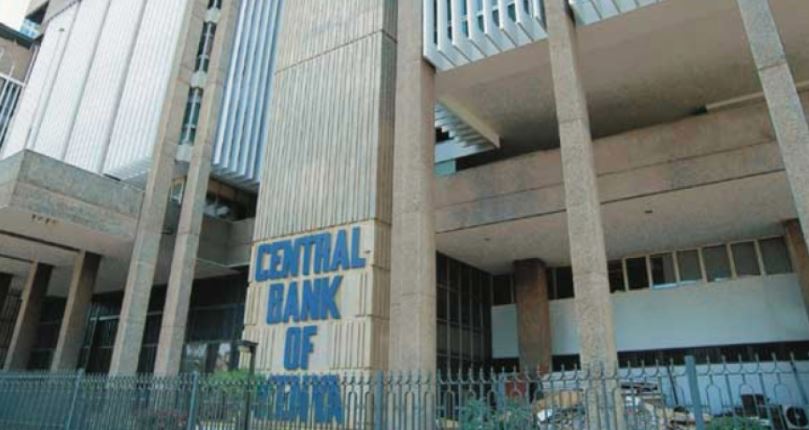
 The Central Bank of Kenya (CBK) has cut the Central Bank Rate (CBR) by 25 basis points to 9.00 percent, down from 9.25 percent. The Monetary Policy Committee (MPC) announced the decision during its meeting on December 9, 2025, saying the move is meant to stimulate economic activity and encourage banks to lend more to businesses.
The MPC reported that the global economy is still expanding, with growth estimated at 3.2 percent in 2025. Strong consumer spending and improved financial conditions in major economies, especially the United States, continue to support global performance.
However, the committee warned that global growth could ease slightly to 3.1 percent in 2026, citing higher trade tariffs, geopolitical tensions in the Middle East and Europe, and weaker international demand.
Inflation worldwide has also started to cool, although it remains above target in some major markets. Lower energy prices and reduced demand are expected to push inflation down through 2025 and 2026, with central banks easing monetary policy gradually.
International oil markets remain volatile, but global food inflation has declined due to lower prices of cereals, sugar, and edible oils.
Kenya’s Inflation Trends Down as Food Prices Stabilize
Kenya’s inflation continued to ease, falling to 4.5 percent in November 2025 from 4.6 percent in October, well below the midpoint of the CBK’s target band of 5±2.5 percent. Core inflation dropped to 2.3 percent, helped by cheaper processed foods such as sugar and maize flour.
Non-core inflation edged up slightly to 10.1 percent, driven mainly by higher vegetable prices, including tomatoes, cabbages, and onions.
The MPC expects inflation to stay near the lower end of the target range in the coming months due to stable energy costs, a steady exchange rate, and moderated food prices.
Economy Records Steady Growth Despite External Pressures
Kenya’s economy remained resilient in the first half of 2025, posting an average GDP growth of 4.9 percent. Strong performance in the industrial sector, stable agriculture, and a robust services sector supported the expansion.
Officials project further growth to 5.2 percent in 2025 and 5.5 percent in 2026, driven by continued recovery across key sectors. However, they cautioned that risks such as unstable global markets, unpredictable weather, and trade disruptions could affect performance.
External Sector: Import Demand Widens Account Deficit
Kenya’s current account deficit widened to 2.2 percent of GDP in the 12 months to October 2025, up from 1.5 percent in 2024. Higher imports of intermediate and capital goods pushed the gap wider.
Exports rose by 6.7 percent, driven by stronger demand for horticulture, coffee, manufactured goods, and apparel. Services earnings and diaspora remittances also increased.
The CBK reassured the public that Kenya’s external position remains stable, backed by foreign exchange reserves of Ksh 1.56 trillion, enough to cover 5.25 months of imports.
Banking Sector Stable as Credit to Private Sector Rises
The MPC reported that Kenya’s banking sector remains strong, with comfortable liquidity and capital buffers. Non-performing loans fell slightly to 16.5 percent in November from 16.7 percent the previous month.
Private-sector credit grew by 6.3 percent, reflecting increased borrowing appetite and reduced lending rates following recent monetary policy adjustments.
The committee also reaffirmed the March 2026 deadline for the full implementation of the Risk-Based Credit Pricing Model, which will improve transparency in loan pricing and strengthen the effectiveness of monetary policy.
The post CBK Cuts Lending Rate to 9.0% as Inflation Reportedly Falls and Economy Shows Resilience appeared first on Bossnana.


