
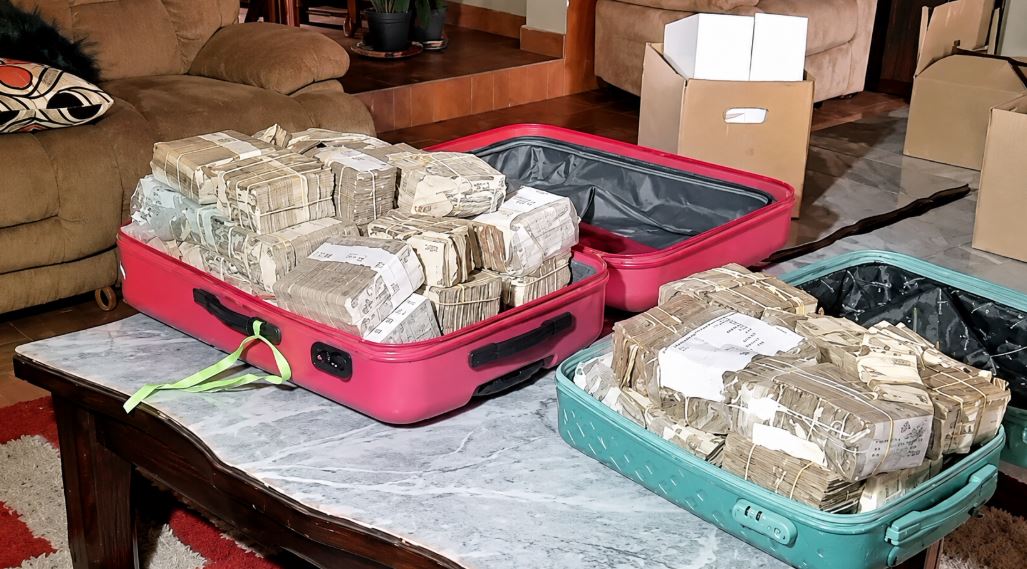
 The Ethics and Anti-Corruption Commission (EACC) has clarified what happens after it recovers public funds and assets suspected to come from corruption.
In a statement, EACC said it does not keep the funds or use them for its own operations.
The Commission explained that it transfers all recovered public money to the National Treasury through the required legal and financial procedures.
“Recovered funds and assets go through the National Treasury and other relevant government mechanisms in line with the law. EACC does not hold or use them directly,” the commission said.
After the ministry receives the recovered funds, EACC said it deposits them into the Consolidated Fund, where the money becomes part of government revenue.
EACC added that the government later allocates the funds through the national budget. The Exchequer system then releases the money to support public services and development projects across the country.
“Once recovered, the funds return to public use through approved government procedures, including the Exchequer process,” the commission added.
EACC issued the clarification as public interest in anti-corruption recoveries grows. The interest intensified after EACC recovered more than Ksh 65.3 million in cash and other goods from a senior Nairobi County official.
The antigraft agency stressed that it does not control recovered funds or spend them directly. It said its role focuses on investigation, recovery, and handing over assets to the appropriate government institutions.
The commission added that the process follows the law to ensure transparency, accountability, and proper management of public resources.
The post EACC Clarifies What Really Happens to Recovered Corruption Cash After the Ksh65 Million Nairobi County Seizure appeared first on Bossnana.


