
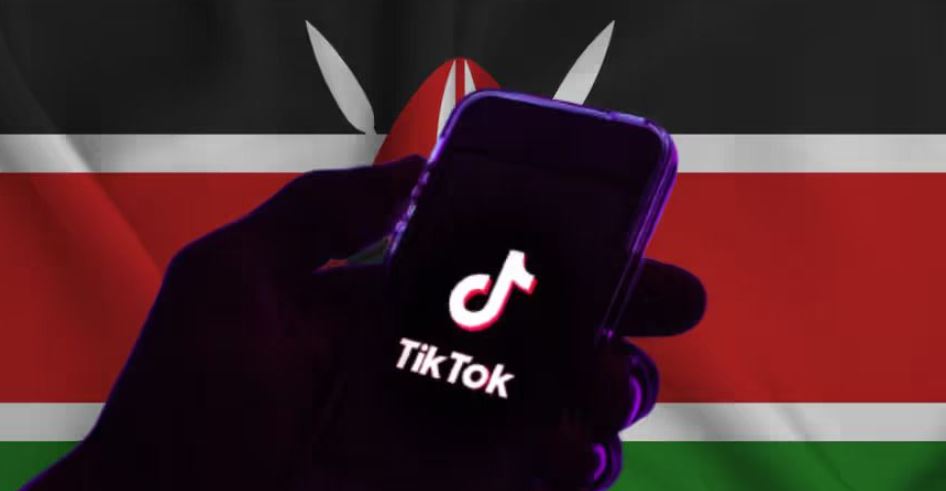
 Kenyan lawmakers have rejected a proposal to ban TikTok, opting instead for tighter regulation of the popular social media platform within the next four months.
During a parliamentary session on Tuesday, February 17, 2026, Members of Parliament resolved to strengthen oversight measures such as age verification, data localization, and cybersecurity safeguards rather than shut the platform down. The decision marks a significant moment in Kenya’s ongoing debate over TikTok regulation and digital rights.
MPs Reject TikTok Ban, Back Regulation
The move followed a petition calling for a total TikTok ban in Kenya, arguing that the platform exposes minors to inappropriate content and undermines cultural and religious values.
Bob Ndolo, Executive Officer of Bridget Connect Consultancy, initiated the push for a ban when he filed a petition on August 15, 2023. He claimed TikTok exposes young users to sexual content, violence, hate speech, vulgar language, and other harmful material.
However, the National Assembly’s Public Petitions Committee concluded that banning TikTok would violate fundamental rights and slow Kenya’s fast-growing digital economy.
“The total ban of TikTok is not tenable,” said Committee Chair and Ruyenjes MP Karemba Muchangi, noting that social media now plays a central role in communication, creativity, and youth entrepreneurship.
Ruaraka MP Tom Joseph Kajwang’ supported the committee’s position and highlighted Parliament’s constitutional oversight mandate.
“The question of TikTok is an important discussion that we must have,” Kajwang said. He added that the constitution had given leaders the mandate to provide oversight.
Mental Health, Data Privacy and Youth Protection in Focus
While rejecting a TikTok ban, lawmakers raised serious concerns about mental health challenges linked to excessive social media use, potential data privacy breaches, and the growing isolation of teenagers.
MPs observed that many young people spend long hours online, often at the expense of their well-being and real-world relationships. These concerns shaped Parliament’s decision to push for stronger safeguards rather than an outright prohibition.
Ministries Given Four Months to Act
Parliament directed the Ministry of Interior and the Ministry of ICT and the Digital Economy to collaborate on improving cybersecurity and user safety across platforms like TikTok.
The two ministries must report back to the House within four months with detailed plans to:
-
Enhance age verification mechanisms
-
Localize Kenyan user data on servers within the country
-
Establish local infrastructure for data security
-
Roll out digital literacy programs focused on data privacy and online safety
The official resolutions state:
“The mechanisms for enhancement of age verification on the social media platforms and the localization of Kenyan user data to be retained within the country, such as the setting up of local infrastructure for data security by the platforms. The digital literacy programs are to create awareness on data privacy, processing and storage, and community guidelines by social media platforms, including TikTok.”
Data Protection Oversight Tightened
Within the same four-month window, the Office of the Data Protection Commissioner (ODPC) will engage social media companies to ensure compliance with the Data Protection Act of 2019.
The ODPC must update Parliament on how effectively platforms filter content, verify user ages, and apply Kenya-specific privacy standards.
At the same time, the Departmental Committee on Communication, Information, and Innovation will draft amendments to the Kenya Information and Communications Act. The proposed changes aim to grant the Communications Authority of Kenya expanded powers to regulate all social media platforms operating in the country.
Stronger Content Moderation and Creator Monetization
The Ministry of ICT and the Digital Economy will also conduct audits of AI-driven moderation systems used by social media platforms. Lawmakers want algorithms to better detect harmful content, understand local languages, and operate within Kenyan legal frameworks.
In addition, authorities plan to ensure human moderators receive proper mental health support and that users have clear, accessible channels to report illegal or offensive content.
Parliament also urged TikTok and other platforms to develop monetization systems that allow Kenyan content creators to earn directly from their posts, reinforcing the government’s broader digital economy agenda.
Protecting Rights While Regulating Platforms
Ultimately, lawmakers concluded that a blanket TikTok ban would undermine constitutional freedoms and disrupt Kenya’s expanding digital ecosystem.
“A ban of the social media platform would stifle social and economic growth and the benefits of internet connectivity as the nation seeks to enhance its digital economy.
However, the Committee recommends that social media platforms, including TikTok, be regulated and periodic compliance reviews by the relevant state agencies be institutionalized,” the resolution read.
The post TikTok Stays! But New Strict Data and Age Rules Are Coming to Kenya in 4 Months appeared first on Bossnana.


