
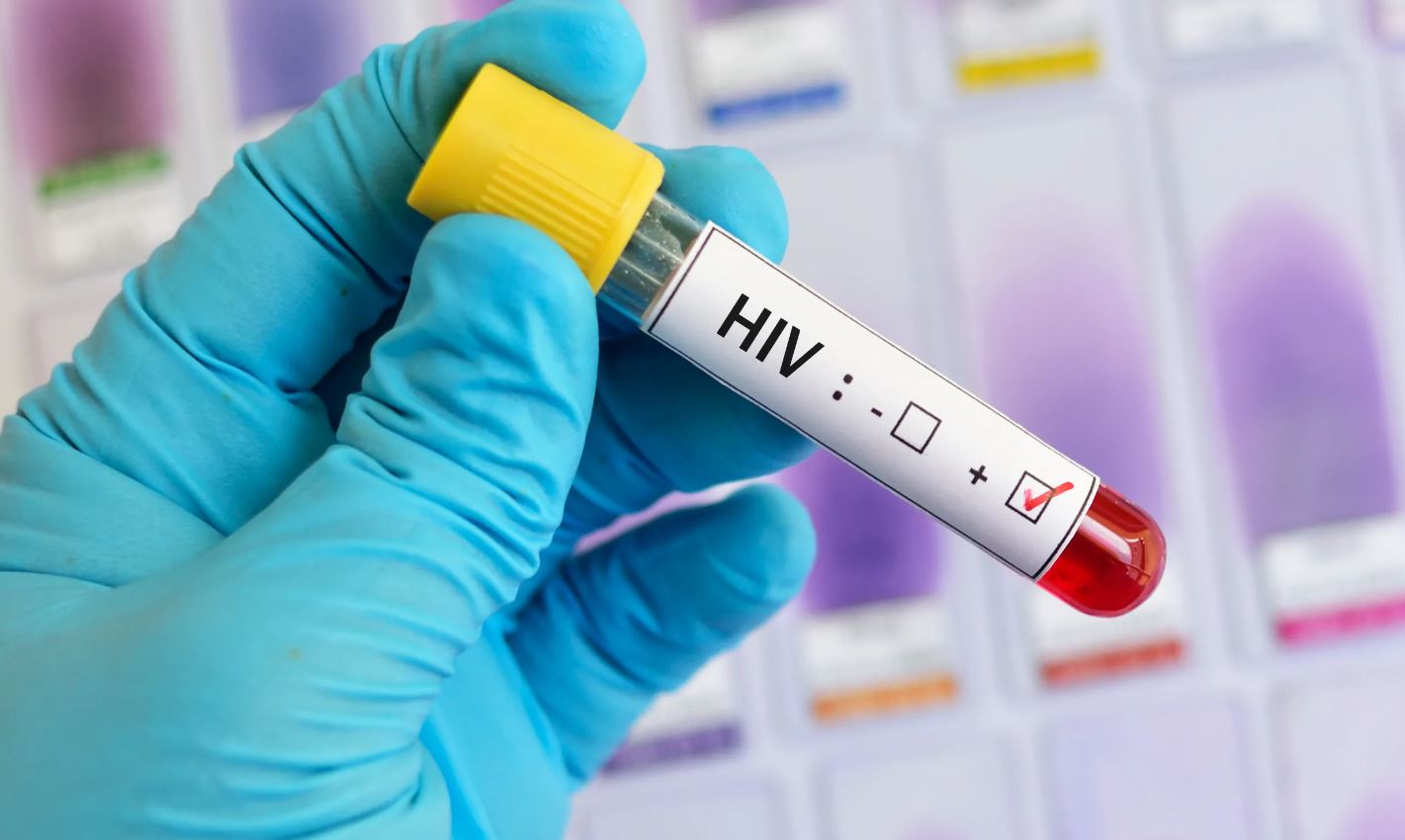
 Nairobi County has emerged as Kenya’s HIV infection hotspot, recording the highest number of new cases in the country. Fresh statistics from the National Syndemic Disease Control Council (NSDCC) reveal a troubling 19 percent surge in new HIV infections over the past year, with cases jumping from 16,752 to 19,991.
Ten Counties Account for 60% of All New HIV Cases
Ten Kenyan counties; Nairobi, Migori, Kisumu, Homa Bay, Busia, Siaya, Kakamega, Nakuru, Mombasa, and Bungoma, drove 60% of all new HIV infections in 2024. Nairobi dominated the list with 3,045 new cases, while Migori recorded 1,572 infections and Kisumu registered 1,341.
The NSDCC points out that this heavy concentration of new infections within these counties highlights ongoing regional disparities, adding that targeted, county-driven strategies are necessary to ensure fair and effective epidemic control.
HIV Prevalence Higher Among Women, Deaths Rise Slightly
The agency noted, “In 2024, the national HIV prevalence stood at 3.0 per cent, with higher rates among females (4.0%) compared to males (2.0%).”
The survey also reveals that HIV-related deaths climbed slightly in 2024, increasing by 0.05% as Kenya recorded 21,007 deaths, up from 18,473 in 2023.
Health PS Ouma Oluga emphasized the urgency of renewed action, saying, “AIDS-related deaths, recorded at 21,007 in 2024, remind us of the need for renewed focus on early diagnosis, treatment adherence, and retention in care.”
Young People Bear Heaviest Burden of New Infections
NSDCC data shows Kenya achieved a 52% drop in new HIV infections in 2025. By 2024, the country had 1,326,336 people living with HIV, including 62,798 children. The findings also demonstrate that young people aged 15 to 34 continue to shoulder the highest burden, accounting for the largest share of new infections.
Some Counties Show Remarkable Progress in Fighting HIV
Meanwhile, twelve counties; Elgeyo-Marakwet, Wajir, Mandera, Kisii, Machakos, Kericho, Uasin Gishu, Nakuru, Bomet, Baringo, Trans-Nzoia, and Laikipia, achieved a remarkable 75% decline in new infections, marking significant progress in local HIV prevention efforts.
The post HIV Infections Rise 19% in Kenya as Nairobi Emerges as National Hotspot appeared first on Bossnana.


